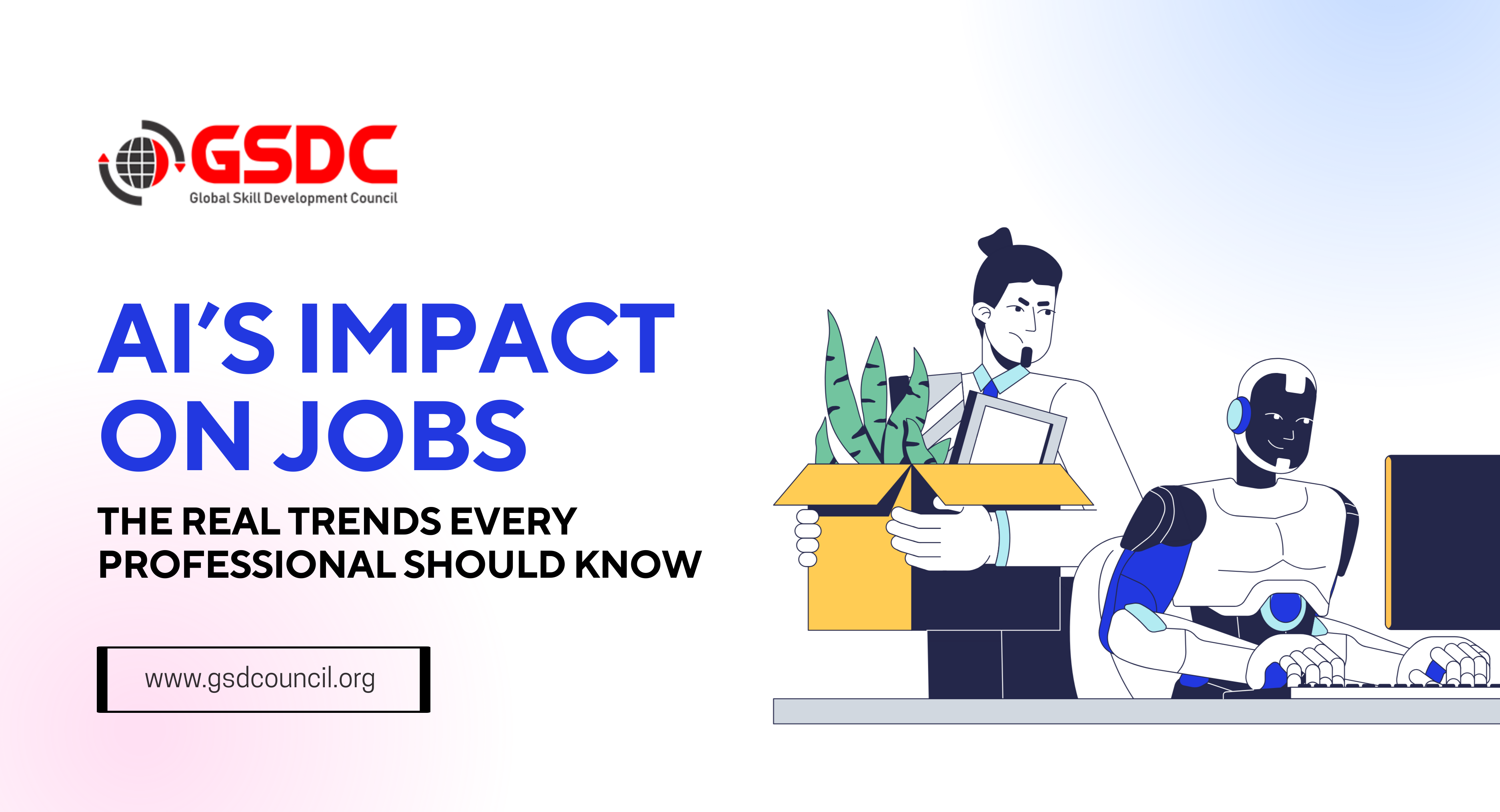
AI’s Impact on Jobs in 2026: The Real Trends Every Professional Should Know
Written by Matthew Hale
The last two years have transformed AI from an experimental technology into an economic force reshaping every workplace. As global research, industry reports, and real-world adoption trends make clear, 2026 is not about a “tech upgrade.”
It’s a workforce transformation.
AI isn’t simply changing tasks. It’s restructuring roles, reshaping hiring patterns, and redefining which skills will matter in the future of work with AI.
The Numbers Everyone's Talking About - But Few Understand
Research shows that 37% of companies expect to replace some jobs with AI by the end of 2026. But that headline hides the real story: AI is expected to create 170 million new roles globally by 2030, many in fields we barely recognized a few years ago.
Today, 50% of U.S. tech job postings require AI skills, with professionals who possess them earning 28% more on average. If you're tracking the impact of AI on jobs, you’ll notice a steep shift toward AI-augmented roles, not purely automated ones.
At the same time, companies risk losing $5.5 trillion by 2026 due to skills gaps. With skills for AI-exposed roles evolving 66% faster than other jobs, the urgency for AI upskilling and reskilling has never been higher.
What’s Actually Happening to Jobs
Let’s move beyond the “AI will take all jobs” myth.
Routine roles-clerical work, entry-level data processing, basic customer service-are shrinking. Stanford data confirms a 13% decline in entry-level hiring for AI-exposed roles since the rise of generative AI.
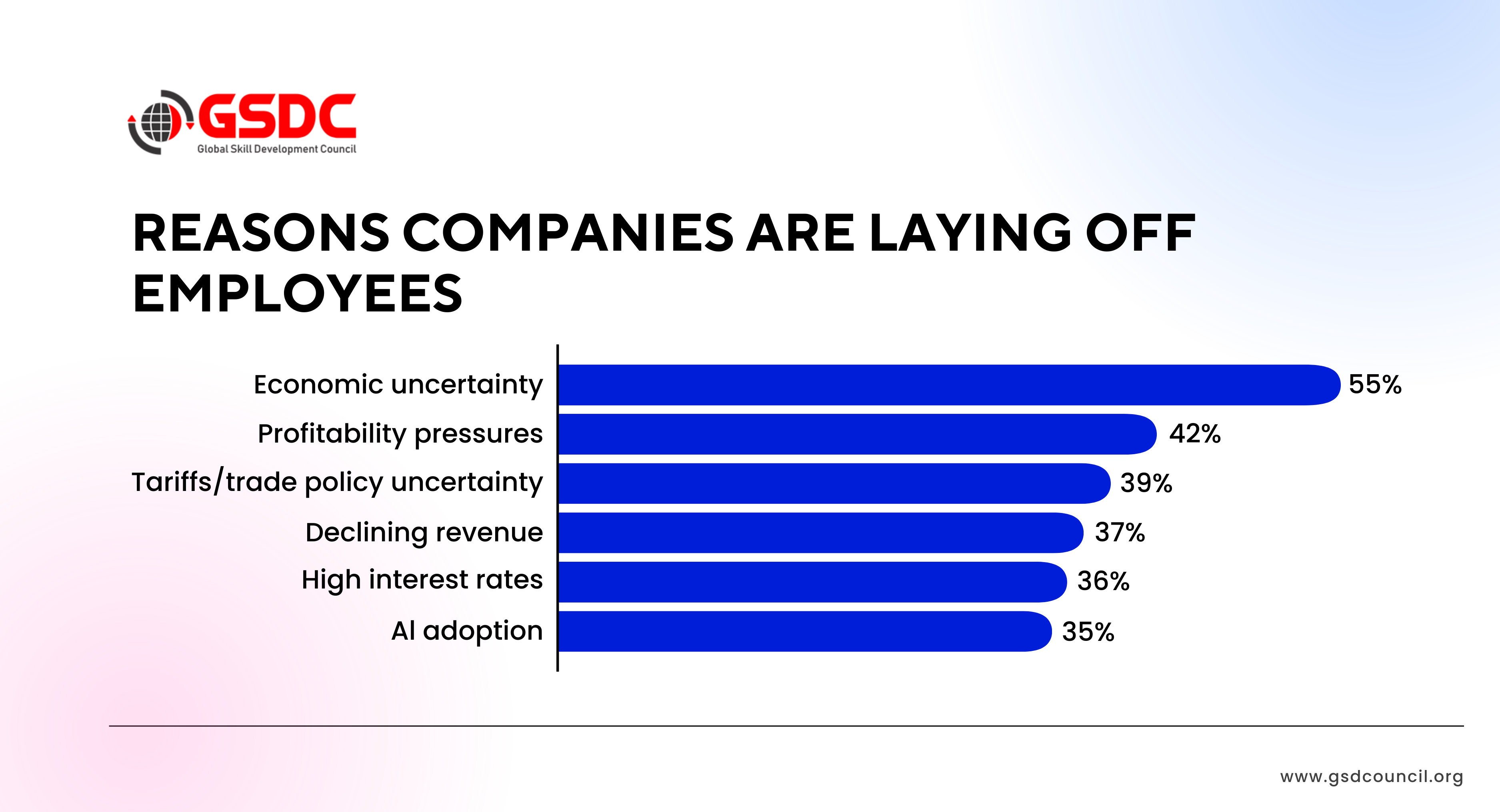
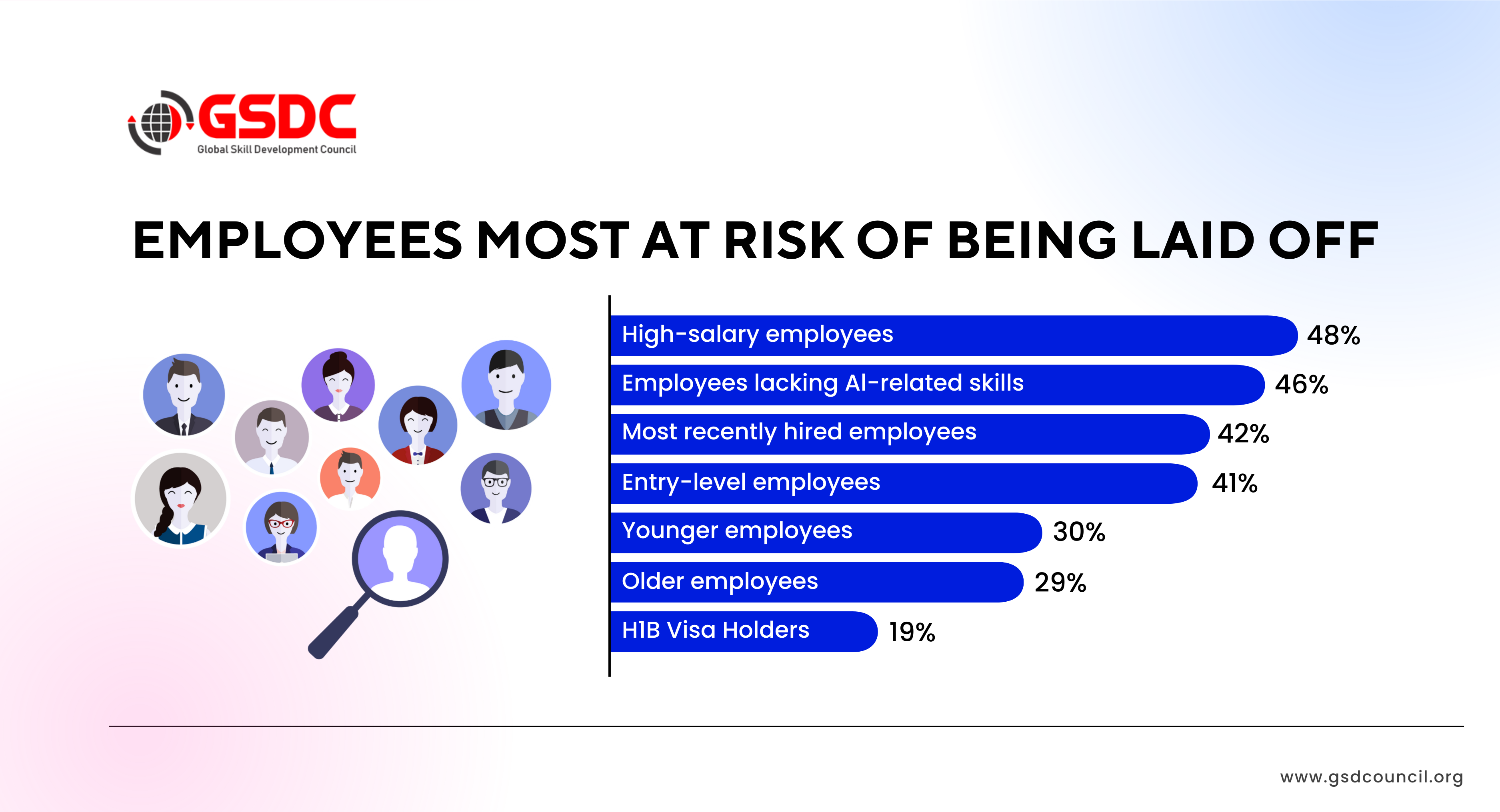
These changes are being hastened by economic uncertainty. According to a recent Resume.org survey of 1,000 U.S. business leaders, 6 in 10 companies declared their intention to lay off employees in 2026. In addition, many of them indicate the increased use of automation and AI as factors leading to such reductions.
This information is only relevant to the U.S. situation; however, it unveils a worldwide trend of companies that not only cut the number of employees but also create new job descriptions based on the AI features, thus giving priority to the workers who are able to use, control, and cooperate with AI systems.
But AI is creating a surge in new, higher-value roles:
- AI/ML engineers
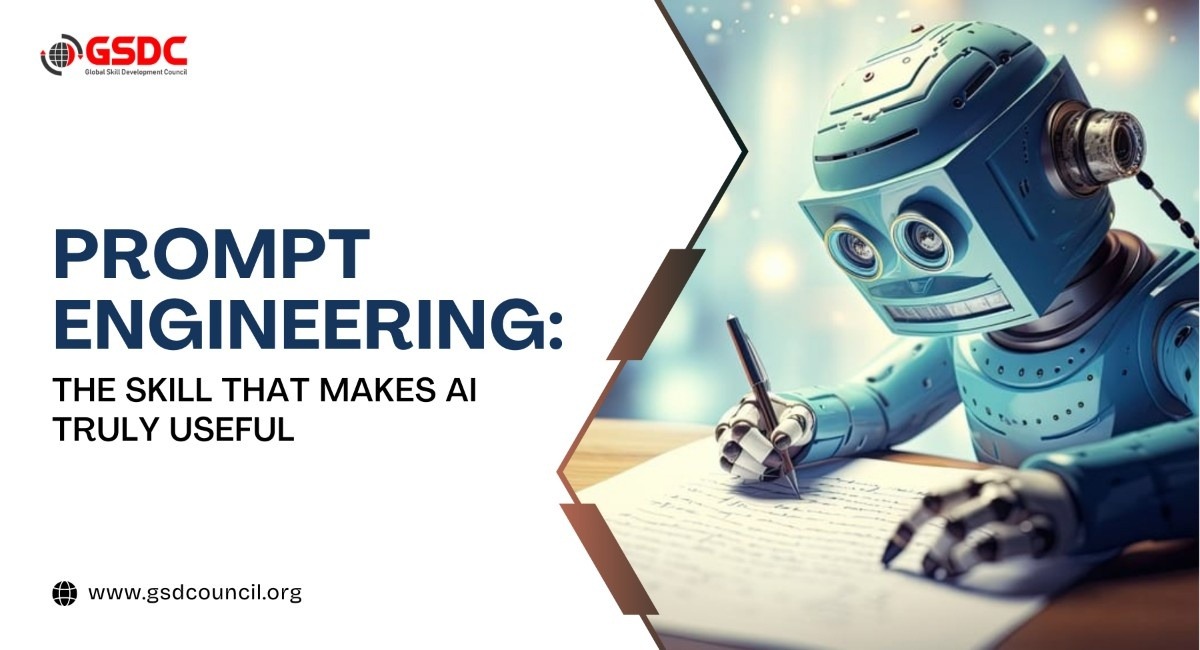
- Prompt engineers and AI workflow designers
- AI Ethics & Governance Officers
- Human–AI Collaboration Managers
- Agent Operations Specialists
These roles didn’t exist at scale three years ago. Now they define the new job market of 2026.
This shift aligns with long-term AI and employment trends-automation removes mundane tasks while augmentation expands human capability.
The Skills Crisis Nobody Is Prepared For
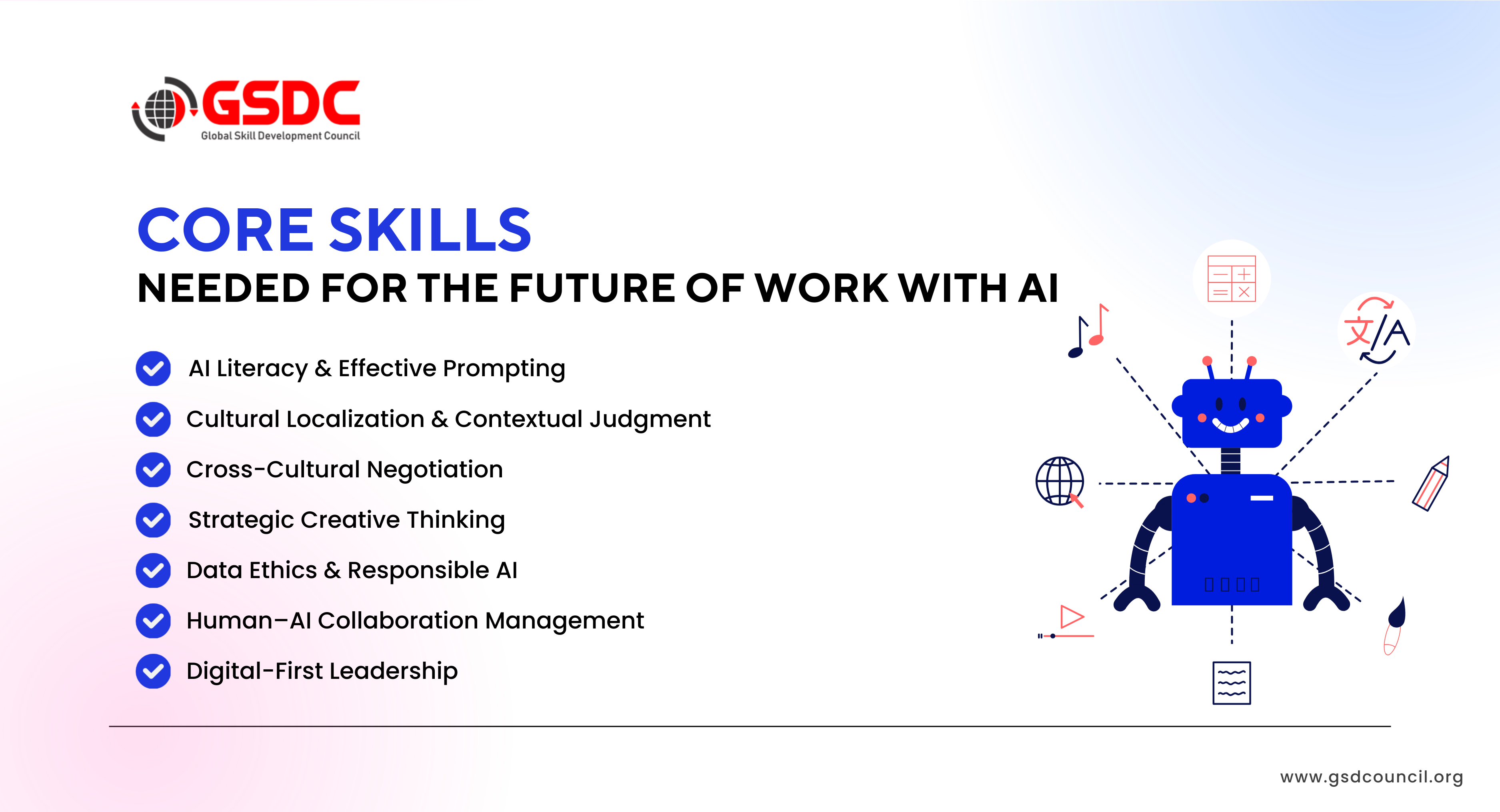
The future of work with generative AI isn’t about knowing how to “use ChatGPT.” It’s about mastering hybrid skill sets.
These aren’t technical skills alone-they’re the capabilities defining the next generation of AI-driven professionals.
The Rise of the Hybrid Skill Premium
Research shows that roles using generative AI require 36% higher cognitive skills and greater emotional intelligence, creativity, and ethical reasoning.
This hybrid skillset is why AI-driven marketing, AI-powered customer service, and generative AI for business are becoming core competencies across industry niche functions.
Professionals who combine technical fluency with strategic thinking will dominate hiring pipelines in AI jobs 2026 and beyond.
The Productivity Revolution Is Already Here
Workers using AI tools report:
Across sectors, AI adoption in workplace operations is becoming mandatory to stay competitive. Companies taking a human-AI augmentation approach see 2.5x higher revenue growth.
This is the future of work with AI-not replacing humans, but elevating them.
Agentic AI & the Regulatory Tsunami
2026 marks the arrival of agentic AI-systems capable of executing complex workflows autonomously. IDC predicts that 65% of CIOs will manage AI agents with defined business outcomes.
Parallel to this technological leap is a wave of regulation:
- California AI employment laws
- New York bias audits
- EU AI Act (strictest globally)
By 2026, 60% of enterprises will establish AI ethics boards, but only a fraction are prepared today.
Organizations slow to adapt face compliance risks, talent shortages, and competitive decline.
What This Implys for Specialists, Groups & Companies
- Experts: Develop a combined skill set - one that includes AI fluency along with typical human abilities. Grasp the fact that AI is reshaping your work and hence be able to keep your competitive edge.
- Heads of Teams: Use AI as a means of managing the workforce rather than as a technological project of the IT department. Facilitate the process of trying new things and provide resources for developing skills in AI.
- Business Owners: Setting up AI governance should be your first priority along with creating well-organized learning paths that will keep your workforce competitive.
Before You Move Forward - Equip Yourself for 2026
The AI transformation is happening at a faster pace than expected, and the professionals who will succeed are those who will take action immediately. If you want to be still relevant in a future AI-powered economy, you'd better start by acquiring real, industry-recognized skills through the GSDC Certified Generative AI Professional certification.
It is probably the closest-to-future-theory-of-work credential that comes to mind for anybody trying to figure out what happens next in the AI labor market and how to keep their career safe from obsolescence.
The Bottom Line
We are at a turning point. The next 12-18 months will decide the fate of those who change and those who don't - get left behind. The job market of 2026 will be favorable to professionals who possess a combination of AI technical fluency, human-centered strategic skills, and a continuous learning mindset. People who procrastinate in making this move will see their opportunities dwindle and the gap between their skills and the required ones widen. The change has hit the road; in fact, it is already here. It is up to you to decide whether to get ready or not.

Related Certifications
Stay up-to-date with the latest news, trends, and resources in GSDC
If you like this read then make sure to check out our previous blogs: Cracking Onboarding Challenges: Fresher Success Unveiled
Not sure which certification to pursue? Our advisors will help you decide!