Open Source Blockchain Platforms: Choosing the Right One for Your Project
Written by Matthew Hale
The digital world is transforming at an unprecedented speed, with blockchain technology at the center of this transformation.
The open-source platforms for blockchain seem to lead in the area of decentralization, security, and transparency with unlimited possibilities for entrepreneurs, developers, and businesses.
Blockchain networks are now in the process of creating a future for global industries, from financial transactions to supply chain management and AI integration.
With the growing demand for secure, efficient, and scalable solutions, it is essential for any organization to understand the power of blockchain technology.
This article will try to develop an understanding of the latest trends in blockchain networks, how open-source innovations are shaping these trends, and how businesses and developers can leverage these innovations to get ahead in the digital millennium.
Whether you are a blockchain enthusiast, developer, or business head, this guide seeks to enlighten you on the far-reaching salient open-source blockchain platforms and how they are altering the industry.
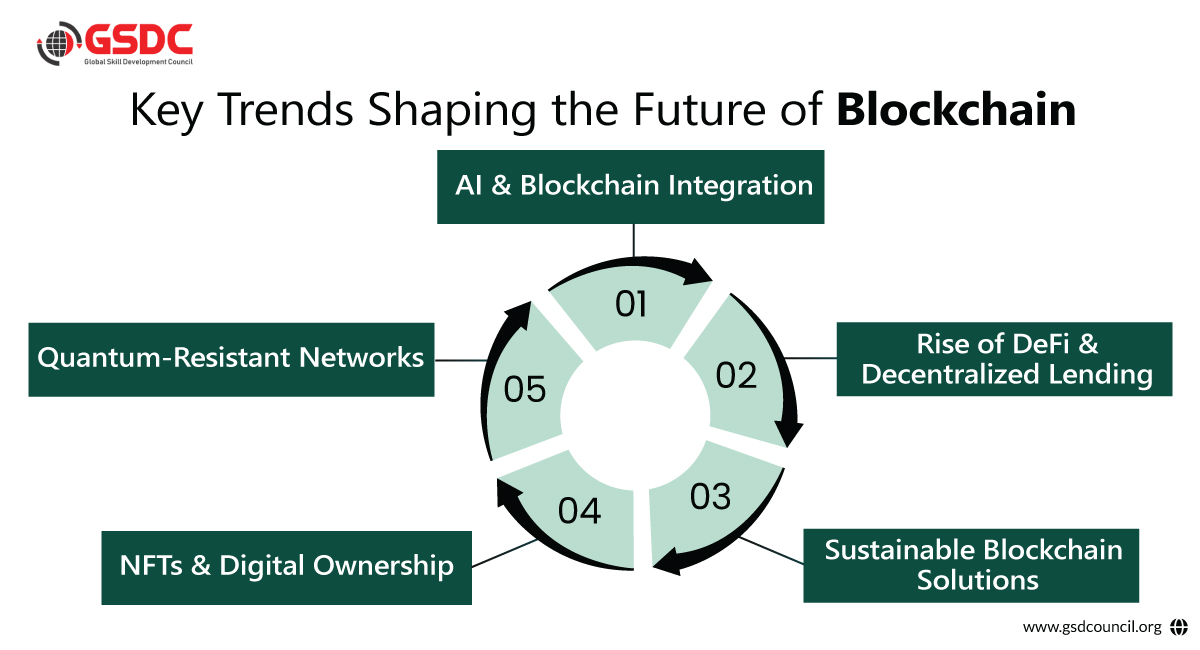
Emerging Blockchain Trends
1. Expanding Use Cases for Open-Source Blockchain
- Open-source blockchain technology is increasingly being adopted in various industries, including finance, healthcare, real estate, supply chain management, and e-commerce.
- Blockchain platforms like Hyperledger Sawtooth and Corda enable businesses to build customized solutions for secure transactions.
- Research suggests that by 2025, the global blockchain market will reach over $39 billion, with a significant portion stemming from open-source contributions.
- Governments and institutions are integrating blockchain technology to enhance transparency, reduce fraud, and streamline administrative processes.
- The development of decentralized identity systems is gaining traction, reducing reliance on traditional authentication methods.
2. Integration of AI and Blockchain
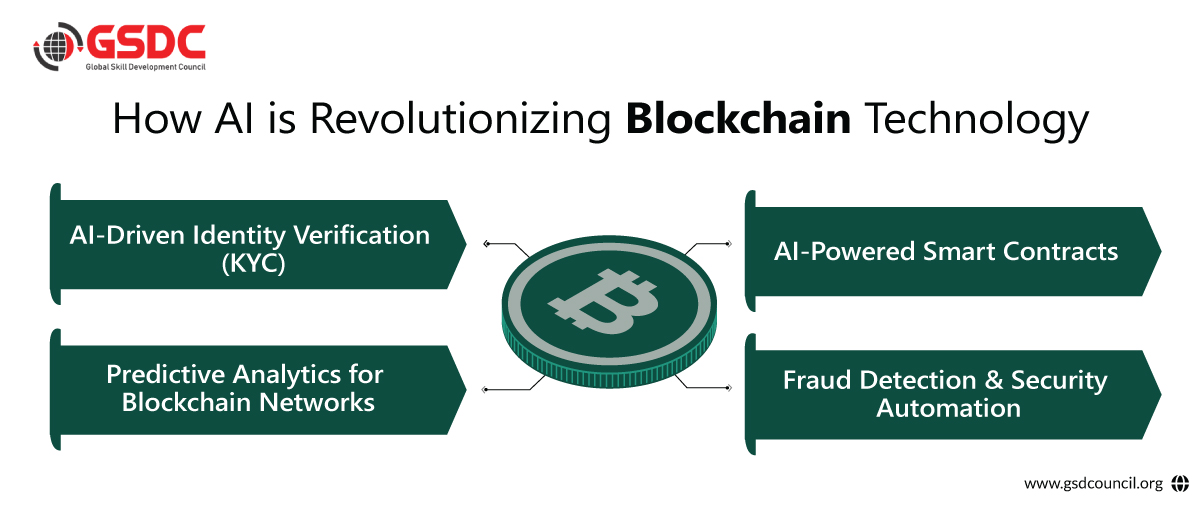
- Integration of AI and blockchain improves security, enhances data management, and automates many tasks.
- AI-based smart contracts are emerging, which reduces the risks of fraud and human error from transactions.
- Predictive analytics in AI will help businesses take better measures to enhance the speed and efficiency of transactions on blockchain networks.
- The KYC (Know Your Customer) process is increasingly turning towards artificial intelligence-based identity verification systems for more secure processes without much overhead.
- AI-enabled blockchain analytics are improving the detection of fraud and security measures across financial institutions and online transactions.
- The convergence of AI and blockchain is strengthening self-sufficient systems and growing automated decision-making across industries.
3. Decentralized Finance (DeFi) and Open-Source Growth
- Blockchain usage has been further enhanced by DeFi applications like Aave and Uniswap.
- Open-source frameworks make it possible to provide not only transparency but also adaptability.
- Ethereum also remains a giant in DeFi because of its solid and robust blockchain network.
- Cross-chain interoperability is getting better as it allows many blockchains to interact.
- Security improvements, including zero-knowledge proofs, are boosting privacy in DeFi transactions.
- The emergence of decentralized lending and borrowing platforms is now allowing people free access to financial services without intermediaries.
- A discussion of regulatory frameworks around the renewed increasing interest by governments in DeFi is likely to take place soon.
4. NFTs and the Open-Source Movement
- Non-fungible tokens are gaining increasing popularity and momentum due to open-source blockchains such as OpenSea and Rarible.
- Blockchain is being used by artists, musicians, and content creators to claim authorship and monetization of their works.
- Open-source smart contract standards such as ERC-721 and ERC-1155 make it possible for developers to build decentralized applications around NFTs.
- The video game industry has incorporated NFT into its virtual economy to allow players to buy and sell most of their assets on any network.
- Companies and mega brands also have plans to use NFTs to further enhance their digital marketing initiatives through digital experiences that can be exclusive and collectible.
- NFT utility extends even beyond digital art, with such applications as supply chain tracking, property tokenization, and identity validation.
5. Sustainable Blockchain Solutions
- The environmental cost of operating blockchain technologies has spawned eco-friendly blockchain platforms such as Algorand and Tezos.
- These companies are researching energy-efficient consensus constructs, such as Proof of Stake (PoS) and Proof of History (PoH).
- Carbon footprint reduction projects, primarily open source, are slowly gaining the support of global investors and sustainability stalwarts.
- Governments and corporations are interested in green blockchain initiatives to meet carbon neutrality goals.
- Blockchains used for tracking and verification of carbon credits support companies in meeting their environmental compliance standards.
- A renewable energy-powered blockchain network is anticipated to be a solution concerning the energy consumption of blockchain operations.
6. The Growth of Central Bank Digital Currencies (CBDCs)
- Countries around the world are studying and testing central bank digital currencies (CBDCs) in an effort to modernize their financial systems.
- CBDC grounded in blockchain technology thus enhances cross-border payments and better monetary policy applications.
- CBDC initiatives have already been instituted by countries like China, Sweden, and the Bahamas.
- Transparency and security are guaranteed in the development and implementation of CBDCs by open-source blockchain technology.
- Central banks have been paying attention to integrating CBDCs with other payment systems and digital wallets.
7. Quantum-Resistant Blockchain Networks
- Quantum computing is said to pose potential threats to the conventional type of cryptography used in blockchain networks.
- Currently, researchers are working on quantum-safe algorithms that may help secure the future of blockchain technology against cyber threats.
- There are also many ongoing open-source research initiatives aimed at post-quantum cryptography that will ensure the long-term viability of blockchain.
- QAN platform warns that it pioneers quantum resistance blockchain solutions and promises to advance innovation against potential vulnerabilities.
- Collaboration within the industry between experts in the world of blockchain and quantum computing will be able to help mitigate the security risks resulting from the advances made in quantum technology.
Popular Open-Source Blockchain Platforms
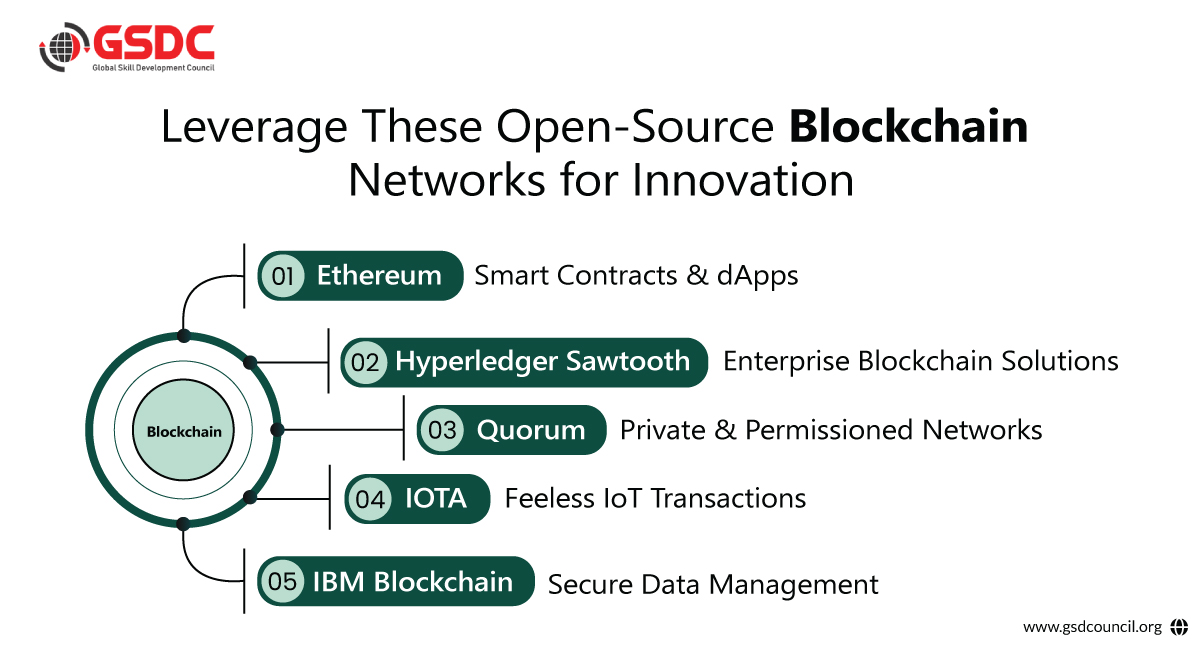
1. Ethereum
- A pioneer in smart contracts and decentralized applications (dApps).
- Developers leverage its open-source nature to build scalable, innovative solutions.
- Ethereum 2.0 introduces PoS consensus to reduce energy consumption and enhance scalability.
2. Hyperledger Sawtooth
- Backed by the Linux Foundation, it offers modular blockchain technology solutions.
- Supports enterprises in creating distributed ledger applications.
- Facilitates enterprise-grade applications with improved scalability and security.
3. Quorum
- Developed by JP Morgan, it enhances Ethereum’s capabilities for enterprise needs.
- Offers faster transaction speeds and improved privacy features.
- Used by financial institutions for private and permissioned blockchain network applications.
4. IOTA
- Unlike traditional blockchains, it uses a unique structure called the Tangle.
- Focuses on secure and feeless IoT transactions.
- Enables microtransactions, making it ideal for IoT blockchain networks.
5. IBM Blockchain
- IBM’s blockchain platforms are widely used in supply chain and financial sectors.
- Provides businesses with a secure and transparent way to manage data.
- Collaborates with multiple industries, from logistics to healthcare, for decentralized solutions.
Engagement Strategies for Your Blog
1. Interactive Content
- Implement polls, quizzes, and infographics to engage readers actively.
- Encourage readers to share their experiences with blockchain platforms.
- Develop interactive tutorials on how to use blockchain technology effectively.
- Host live webinars and AMAs (Ask Me Anything) sessions with industry experts.
2. Community Building
- Integrate discussion forums and comment sections for audience participation.
- Engage with readers on social media platforms to build a strong following.
- Create a Discord or Telegram group dedicated to blockchain network discussions and networking.
- Feature guest posts from industry leaders and blockchain developers.
3. Case Studies and Real-World Applications
- Share success stories of companies leveraging open-source blockchain platforms.
- Provide insights from blockchain technology developers and contributors.
- Conduct interviews with blockchain entrepreneurs and early adopters.
- Highlight government and institutional blockchain initiatives.
SEO and Marketing for Enhanced Reach
1. Keyword Optimization
- Use tools like Google Keyword Planner to identify trending topics in blockchain.
- Focus on long-tail keywords like “best blockchain platforms 2025” or “how to build on Ethereum.”
- Update older content with new keywords and insights to maintain relevance.
- Optimize metadata, including titles, descriptions, and alt text for images.
2. Social Media and Cross-Promotion
- Share blog posts on LinkedIn, Twitter, and Reddit’s blockchain communities.
- Collaborate with industry influencers to expand your audience reach.
- Run targeted social media ads to drive traffic to your blog.
- Use video content and podcasts to reach diverse audiences.
3. Mobile Optimization
- Ensure your blog is mobile-friendly, as a majority of users access content on smartphones.
- Optimize images and use fast-loading themes for a better user experience.
- Implement AMP (Accelerated Mobile Pages) for improved mobile performance.
-Simplify Blockchain AdoptionDownload the checklist for the following benefits:
-Optimize Security & Performance
-Stay Ahead of the Curve
Future Predictions for Blockchain and Open Source
1. Growth of Web3 Applications
- Decentralized applications (dApps) will continue to expand, offering enhanced privacy and user control.
- Open-source blockchain networks will play a crucial role in developing the decentralized web (Web3).
2. Regulatory Developments
- Governments worldwide are working on blockchain regulations to balance innovation with security.
- Open-source compliance frameworks will emerge to help developers navigate legal requirements.
3. Evolution of Quantum-Resistant Blockchains
- With the rise of quantum computing, blockchain security protocols will evolve to prevent vulnerabilities.
- Open-source research focuses on post-quantum cryptography to ensure blockchain technology’s future resilience.

Conclusion
Blockchain technology continues to revolutionize industries with open-source innovation, decentralized security, and transparent operations.
AI integration, DeFi growth, NFTs, and sustainable solutions shape the present and the future, wherein industries and developers will have to remain updated and prepare to adapt.
Individuals and enterprises can propel meaningful changes depending on the potential of blockchain platforms and contribute to open-source.
The world of blockchain networks is evolving rapidly—by staying engaged with developments, you will always be at the very cutting edge of this digital revolution.
If you're looking to advance your career in blockchain technology, enrolling in the GSDC Certified Blockchain Professional Program can help you gain the expertise needed to handle the problems of today!

Stay up-to-date with the latest news, trends, and resources in GSDC
If you like this read then make sure to check out our previous blogs: Cracking Onboarding Challenges: Fresher Success Unveiled
Not sure which certification to pursue? Our advisors will help you decide!